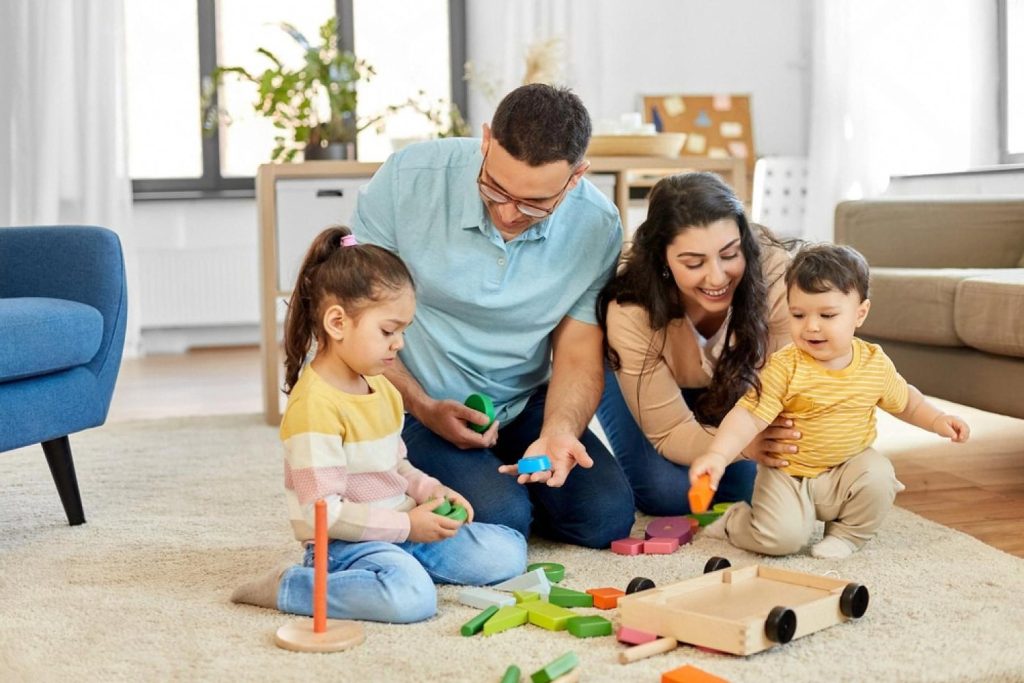
Toy buying guide
Montessori vs Traditional Toys: What UAE Parents Should Know Before Buying
Walk into any toy aisle in Dubai Mall or Mall of the Emirates and you will see two very different worlds on the same shelf. On one side, blinking plastic gadgets that sing the alphabet. On the other, quiet wooden shapes, cloth baskets, and simple puzzles. Both promise learning. Only one asks the child to do the thinking.
Why Montessori toys keep gaining ground in the UAE
Montessori nurseries have grown quickly across the Emirates, from Jumeirah and Al Barsha to Abu Dhabi and Sharjah. Parents who see how their kids behave in those classrooms often want the same calm, focused play at home. That is the real driver behind the boom in montessori toys across the region: fewer batteries, less noise, more concentration.
The method itself is not new. It was developed by Italian physician Maria Montessori more than a century ago, and it rests on a simple idea. Give a child the right material at the right moment, then step back. The toy does the teaching.
What actually makes a toy Montessori
Not every wooden toy is a Montessori toy, and marketing on Amazon.ae and Noon has muddied the water. A genuine Montessori item usually meets most of these tests:
- Independence. The child can pick it up, use it, and put it back without an adult driving the play.
- Simplicity. One clear purpose per object. A ring stacker stacks rings. It does not also flash, sing, or count in three languages.
- Real-world learning. Miniature brooms, small jugs for pouring water, wooden fruit for slicing. Play mirrors real household tasks.
- Natural materials. Wood, cotton, metal, glass. These feel different in the hand and give honest sensory feedback.
- Child-led exploration. No fixed script. The child decides what to try and how long to stay with it.

Montessori vs electronic toys: what the difference looks like in practice
The gap becomes obvious once you watch a child play with both for a week. Electronic toys are loud and bright, so they win the first two minutes. Then the novelty fades and the toy sits in a drawer. Wooden or open-ended toys tend to be quieter at first glance and busier over time.
What shifts
Five areas where the two approaches diverge
- Attention span. Simple toys ask the child to invent the game, which builds longer focus. Electronic toys entertain, then interrupt.
- Creativity. A set of wooden blocks becomes a mosque, a car park, a bridge over Dubai Creek. A talking robot stays a talking robot.
- Independent play. Kids can use Montessori materials solo. Many electronic toys need an adult to reset modes or replace batteries.
- Sensory engagement. Real wood, fabric, and metal give varied weight, texture, and temperature. Plastic tends to feel the same everywhere.
- Long-term learning. Research summarised by the American Academy of Pediatrics suggests traditional, open-ended toys support language and problem-solving better than electronic ones.
Choosing toys by age, from newborn to school years
A great Montessori shelf for a nine-month-old looks nothing like one for a five-year-old. Matching the material to the stage is where most buying decisions succeed or fail.
0 to 1 year
High-contrast cards, wooden rattles, soft grasping toys, a mirror at floor level, and simple mobiles. The goal is visual tracking and reaching, not entertainment.
1 to 3 years
Object permanence boxes, ring stackers, shape sorters, low shelves with a few items, and practical tools like a small watering can for the balcony plants.
3 to 6 years
Puzzles with real images, sandpaper letters, wooden number rods, threading beads, and cooking or baking helpers. Language and early maths take centre stage.
6 years and up
Building sets, science kits, sewing kits, chess, and craft supplies. Interests widen fast, so follow the child rather than the age label on the box.

The buying mistakes that quietly waste money
Every parent has a cupboard of toys that seemed like a good idea in the shop. A few patterns show up again and again in UAE homes, and they are easy to avoid once you name them.
- Too many flashing lights and sounds. Overstimulation is a real thing. In the summer heat, when kids play indoors for hours, a quieter shelf keeps everyone saner.
- Overcomplicated toys. If a toy needs a ten-minute tutorial, the child will not return to it. Simple wins.
- Age mismatch. Buying up because the child is “clever” usually ends in frustration. Buy for the stage, not the ego.
- Passive entertainment. Toys that perform for the child, rather than respond to the child, drift toward screen-like consumption.
Frequently asked questions
Are Montessori toys worth the extra cost?
For most families, yes, but not because they are magic. A well-chosen wooden ring stacker or shape sorter often lasts through two or three children, holds resale value on UAE marketplaces like Dubizzle and Melltoo, and keeps a child engaged longer than a battery-powered gadget of the same price.
The saving shows up in what you stop buying: fewer impulse toys, fewer replacements when plastic snaps, and less landfill.
Why are most Montessori toys made of wood?
Wood is heavy enough to give real feedback, warm to the touch, and durable. It also has natural imperfections that help children develop finer sensory awareness compared to uniform plastic.
Cotton, wool, metal, and glass appear in Montessori environments for the same reason. The material is honest, and honest materials teach.
Can Montessori toys fully replace regular toys?
They can, but they do not have to. Many UAE families run a mixed shelf: mostly open-ended and Montessori-aligned items, with a handful of favourite characters or gifted toys in the rotation.
The bigger factor is quantity. A small, well-curated selection out at any one time works better than an overflowing toy box, whatever the style.
What is the difference between educational toys and Montessori toys?
Educational toys is a broad marketing term. It covers everything from talking tablets to flashcard games. The toy usually decides what the child learns and how.
Montessori toys flip that. The child chooses the activity, sets the pace, and self-corrects through the material itself. Both can teach, but the mechanism is very different.
Where can I buy authentic Montessori toys in the UAE?
Specialist online stores that focus on wooden and open-ended toys tend to be the safest bet. Some Dubai and Abu Dhabi nurseries also run parent shops or recommend suppliers they use in the classroom.
When in doubt, check the material list, the age range, and whether the brand explains the learning purpose in plain language. Vague descriptions usually mean vague quality.
At what age should I start buying Montessori toys?
From birth. High-contrast cards, a floor mirror, and simple mobiles are all Montessori-friendly and suit newborns.
What changes is not whether to start, but how much to have out. In the first year, three or four thoughtful items on a low shelf is plenty.
Do Montessori toys work if my child already loves screens?
Yes, though the transition takes a couple of weeks. Screens deliver constant stimulation, so quieter toys can feel boring at first.
The trick is to reduce screen access gradually, set the shelf up at the child’s height, and join in briefly to model how the material is used. Interest usually builds within a fortnight.

An experienced businessman. Traveler and philanthropist. A blogger with experience of interaction.